By Cameo | 08 April 2026 | 0 Comments
What are some common printing methods for canvas bags? — How to choose the right printing method for
What are some common printing methods for canvas bags? — How to choose the right printing method for your brand?
With the popularization and rise of environmental protection concepts, eco-friendly canvas bags have become an important everyday item. People may wonder where the patterns on canvas bags come from? How are they printed? Let's learn about some of the most common methods for printing custom canvas bags.
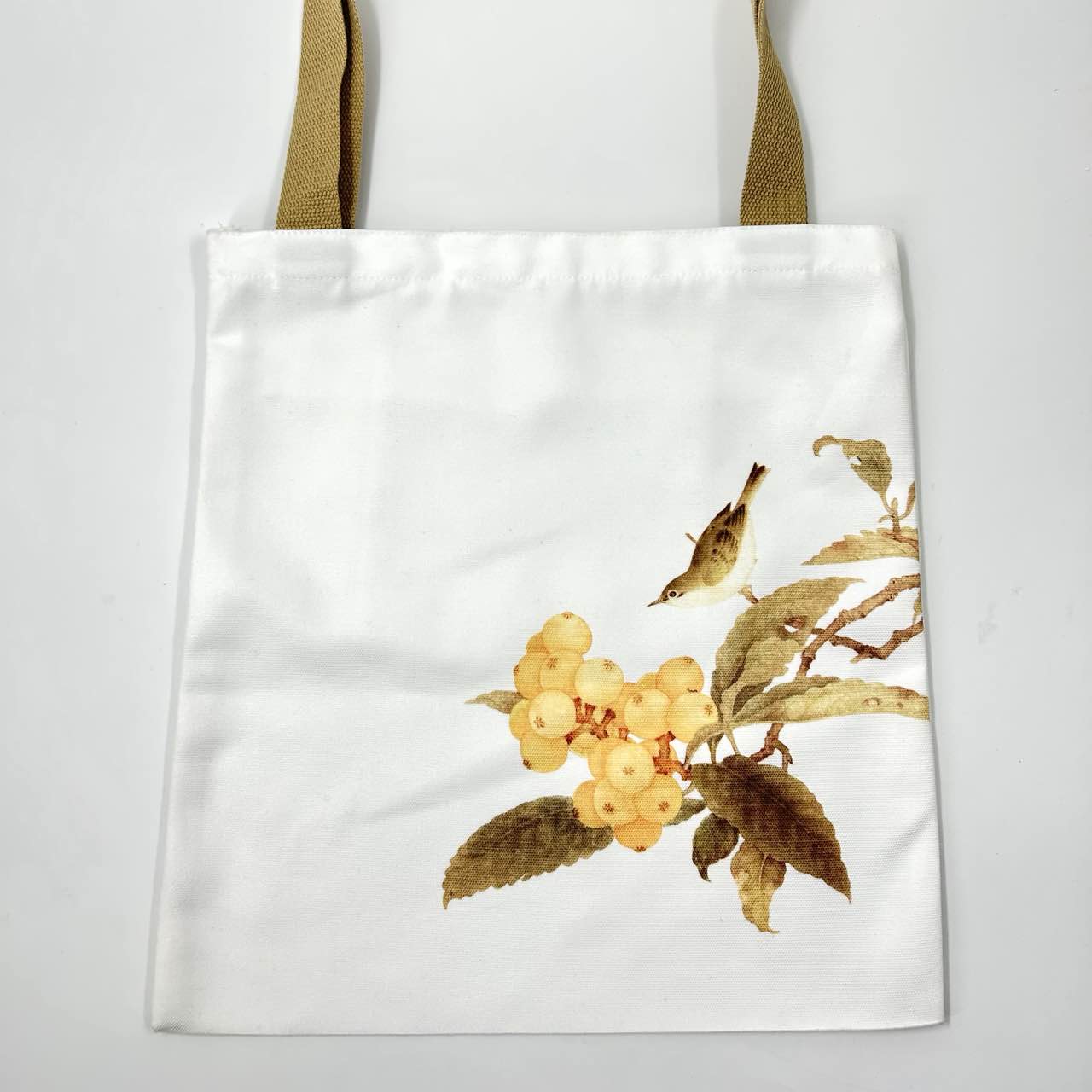
• Limited color options, low cost – Screen Printing
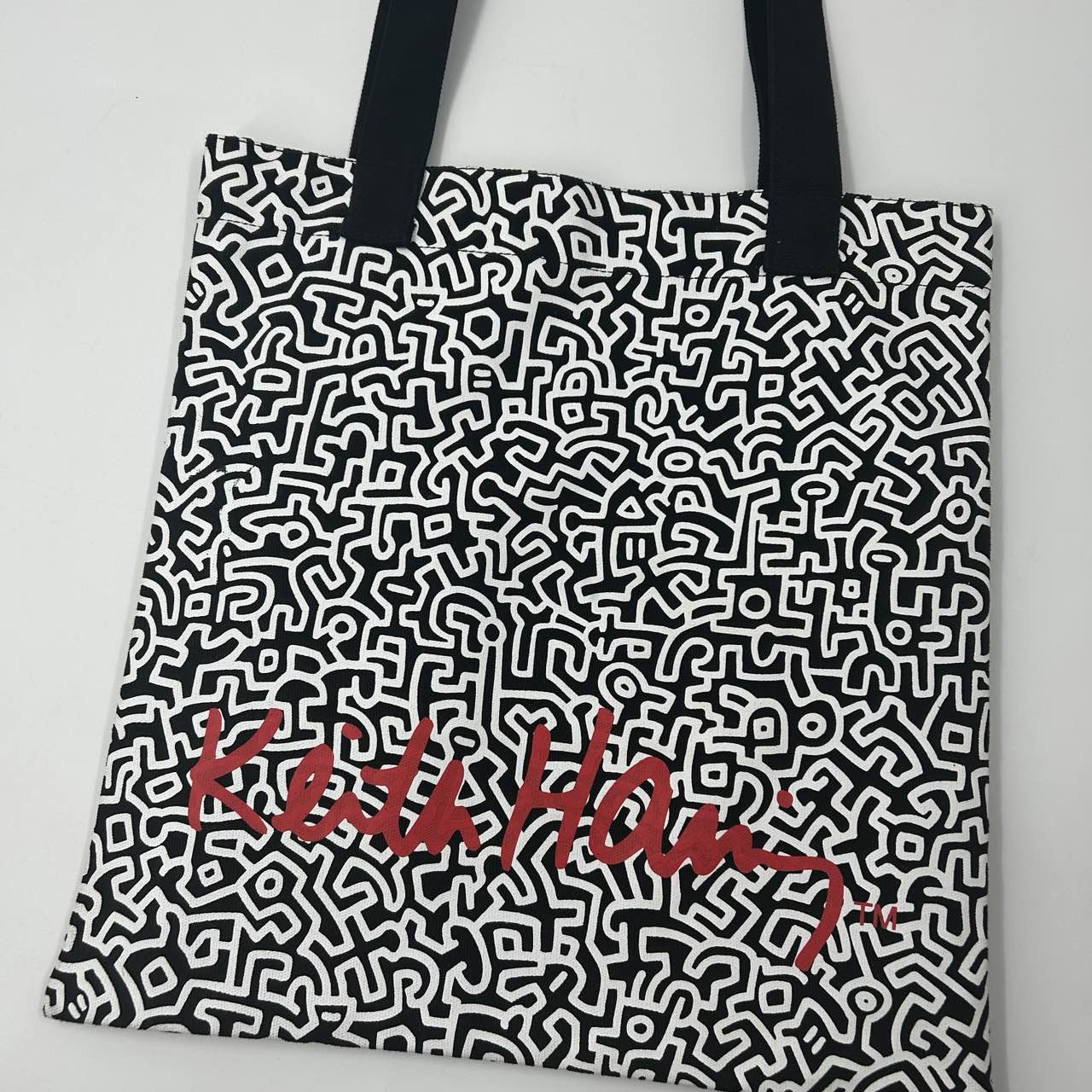
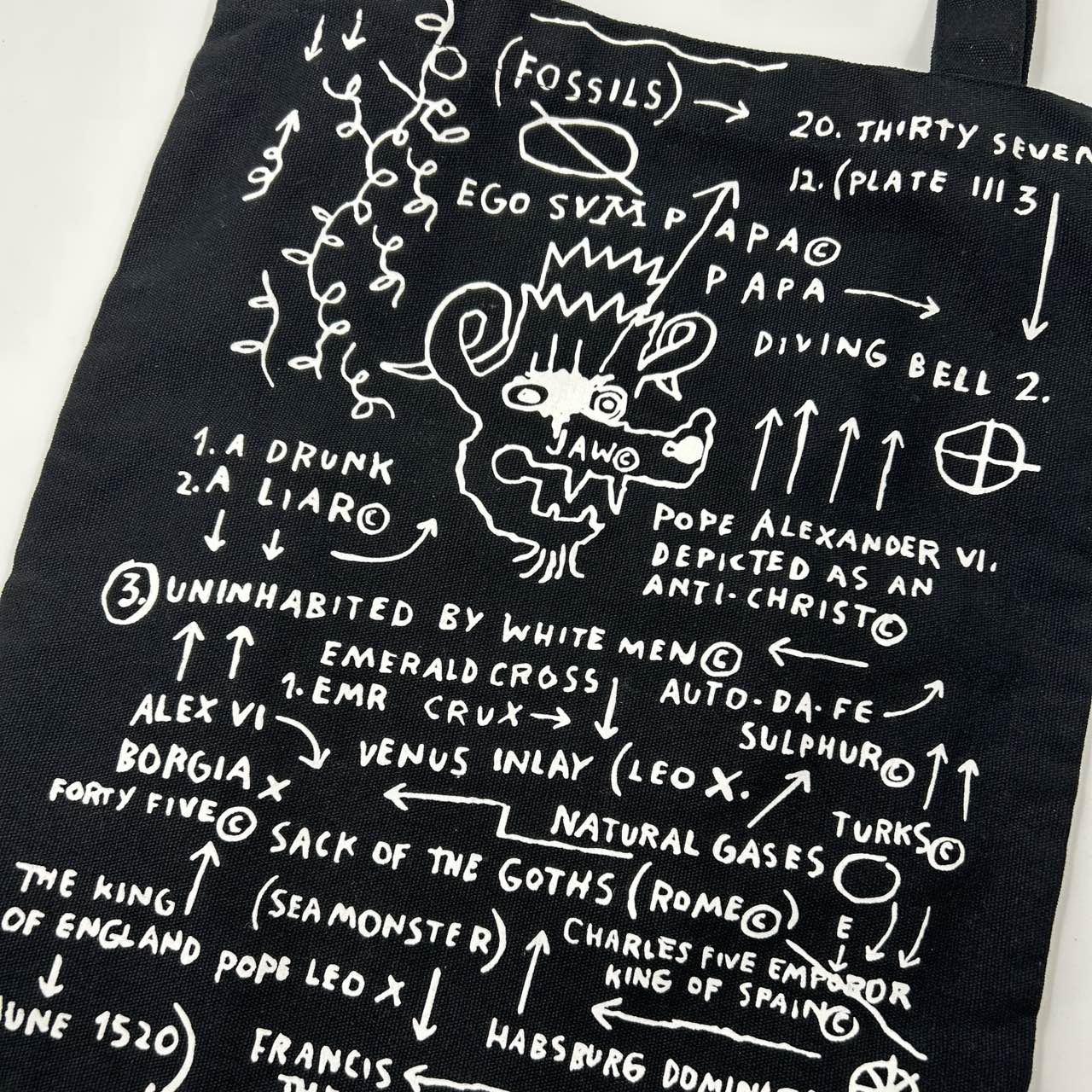
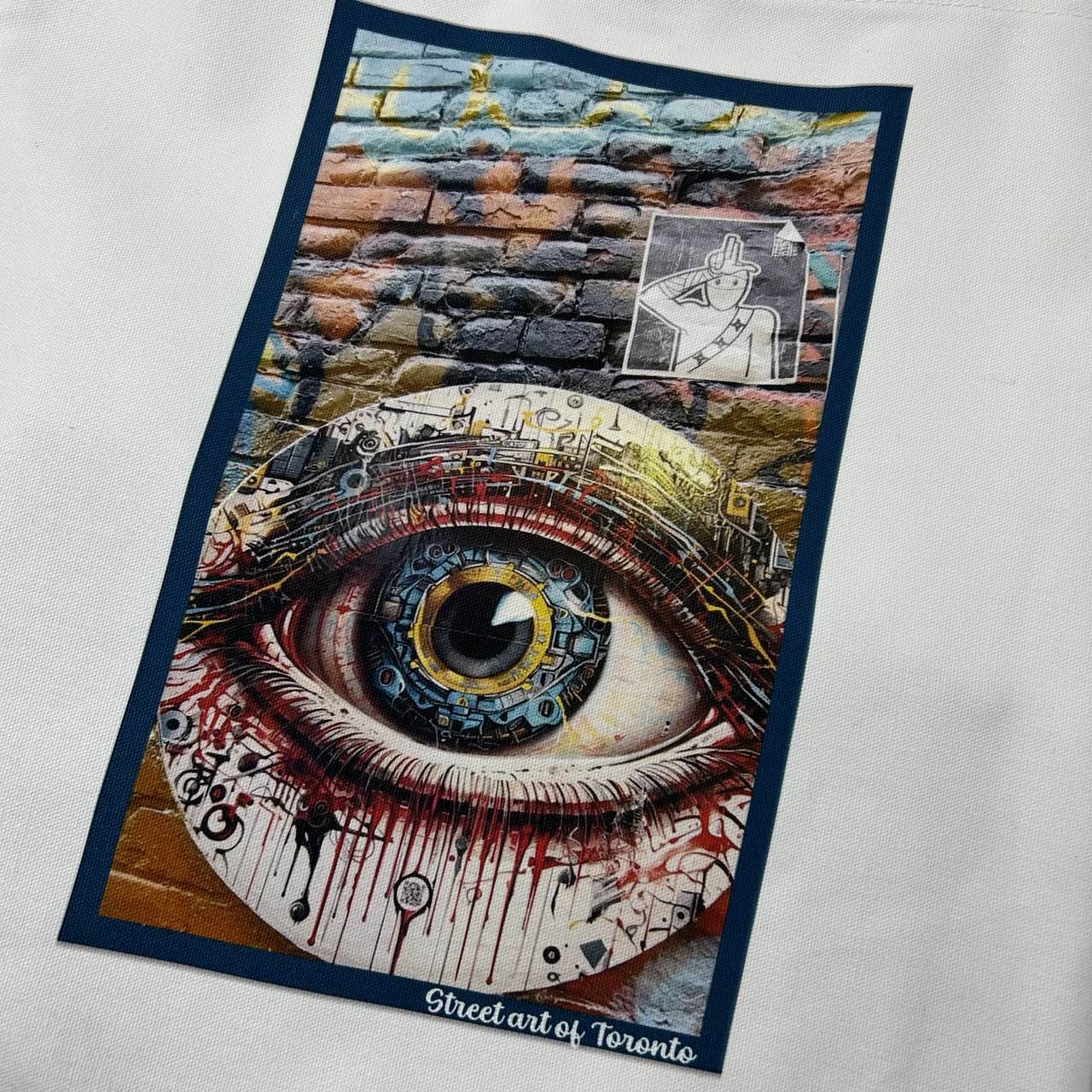
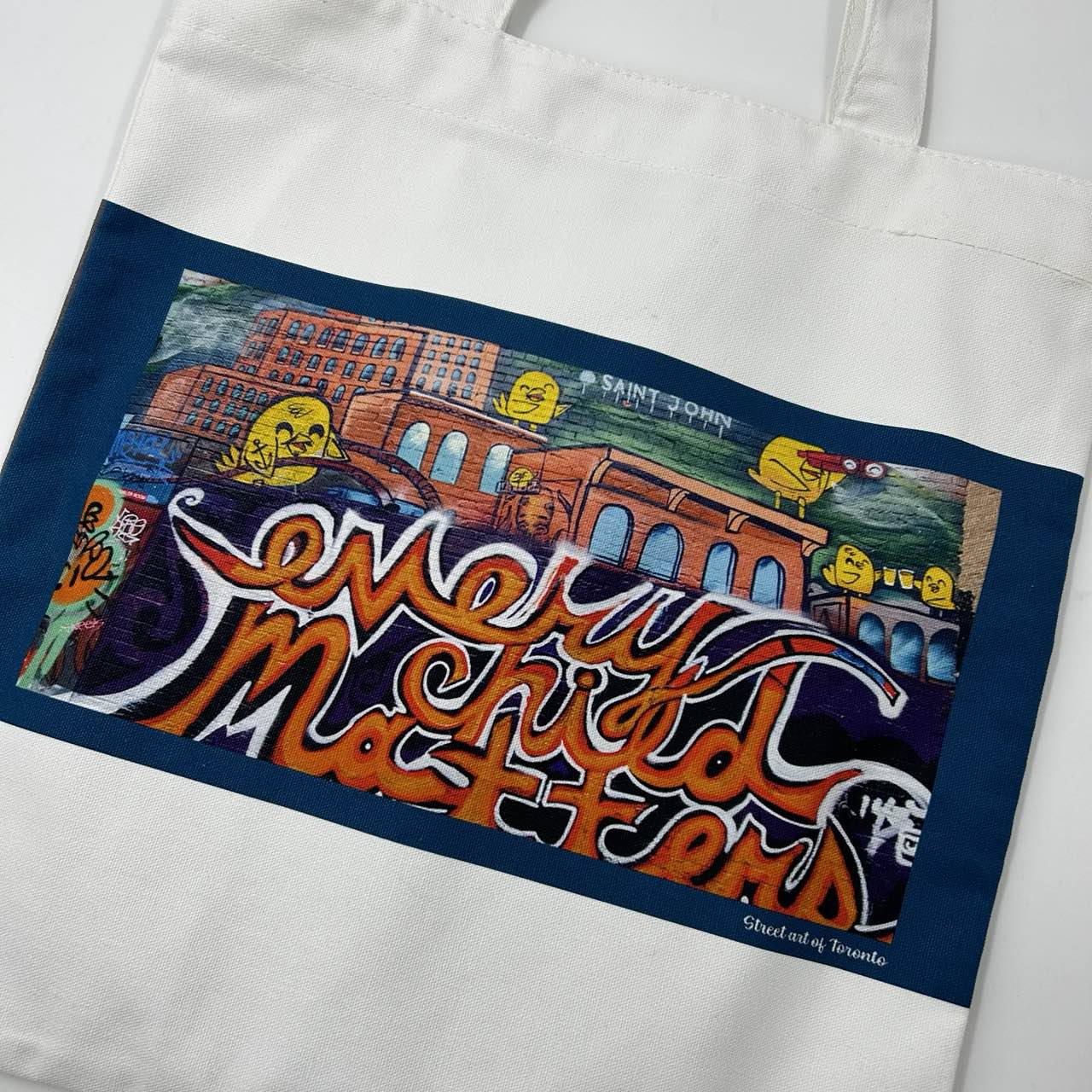
• Rich colors, complex patterns – Digital direct-to-garment printing
• Logos, small designs, high-end brands – Electrical Embroidery
Among all printing methods, digital printing is becoming the mainstream choice due to its superior visual effects.
With the popularization and rise of environmental protection concepts, eco-friendly canvas bags have become an important everyday item. People may wonder where the patterns on canvas bags come from? How are they printed? Let's learn about some of the most common methods for printing custom canvas bags.
1. Screen Printing (or simply screen printing)
Is a stencil printing technique that uses a squeegee to press ink through a perforated screen onto a canvas bag. Its advantages include vibrant colors, a wide range of printable colors, and relatively low cost, making it one of the most widely used methods for printing canvas bags.
Features:Suitable for mass production, low cost, and suitable for printing simple logos, lines, and patterns. However, the number of printable colors is limited, making it suitable for printing designs with limited color options.
2. Digital direct-to-garment printing
Digital direct-to-garment printing, simply put, is a printing method that prints images from computer files directly onto canvas bags. It is different from traditional printing and is becoming increasingly popular in the canvas bag customization industry.
Features: Supports gradient colors, richly colored patterns, and clear details, clearly showcasing the details and colors of user-provided designs. However, the unit cost is higher. If the design has limited colors, digital direct-to-garment printing is not recommended; screen printing is preferable.
3. Sublimation Printing
A transfer printing technique that uses high temperatures to sublimate dye directly from a solid to a gaseous state, allowing the ink to penetrate the fabric fibers before solidifying. Specifically, the design is printed on special sublimation paper, and then transferred onto the canvas bag using a hot press under high temperature.
Features: Sublimation printing is primarily used for polyester materials; it cannot be used on pure cotton canvas. It produces a smooth feel, vibrant colors, and is not easily faded, but it is not suitable for regular canvas bags; it is mainly suitable for polyester canvas bags.
Features: Sublimation printing is primarily used for polyester materials; it cannot be used on pure cotton canvas. It produces a smooth feel, vibrant colors, and is not easily faded, but it is not suitable for regular canvas bags; it is mainly suitable for polyester canvas bags.
4. Heat Transfer Printing
The design is printed onto transfer film or paper, and then transferred to the fabric using high temperature. Unlike sublimation, heat transfer printing uses hot melt adhesive to "glu" the design film to the fabric, giving it a textured, raised feel.
The design is printed onto transfer film or paper, and then transferred to the fabric using high temperature. Unlike sublimation, heat transfer printing uses hot melt adhesive to "glu" the design film to the fabric, giving it a textured, raised feel.
Features: Clear designs; can print complex designs; the surface has a slightly film-like feel. Suitable for various fabrics, including polyester, cotton, and linen, but the print may be stiffer and have a slightly adhesive feel.
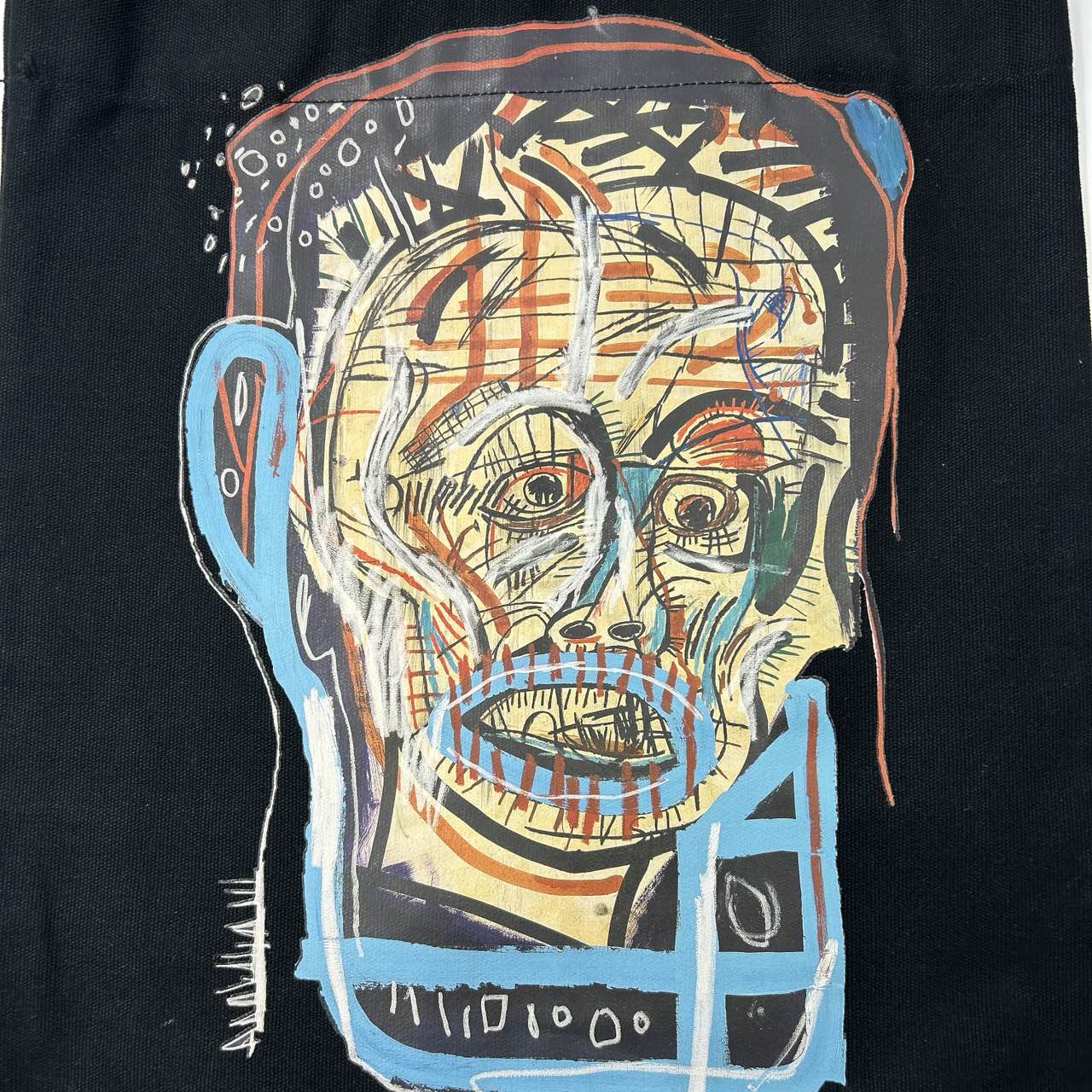
5. Electrical Embroidery
This involves using a computerized embroidery machine to embroider patterns onto the fabric, stitched with needle and thread, creating a three-dimensional, raised effect. In the canvas bag customization industry, electrical embroidery is more geared towards high-end customization.
This involves using a computerized embroidery machine to embroider patterns onto the fabric, stitched with needle and thread, creating a three-dimensional, raised effect. In the canvas bag customization industry, electrical embroidery is more geared towards high-end customization.
Features: High-quality feel, three-dimensional embroidered patterns, durable and washable, not easily worn, suitable for simple logos and patterns. However, it cannot produce complex patterns and is costly.
How to choose the right printing method
How to choose the right printing method
• Limited color options, low cost – Screen Printing
• Rich colors, complex patterns – Digital direct-to-garment printing
• Logos, small designs, high-end brands – Electrical Embroidery
Among all printing methods, digital printing is becoming the mainstream choice due to its superior visual effects.
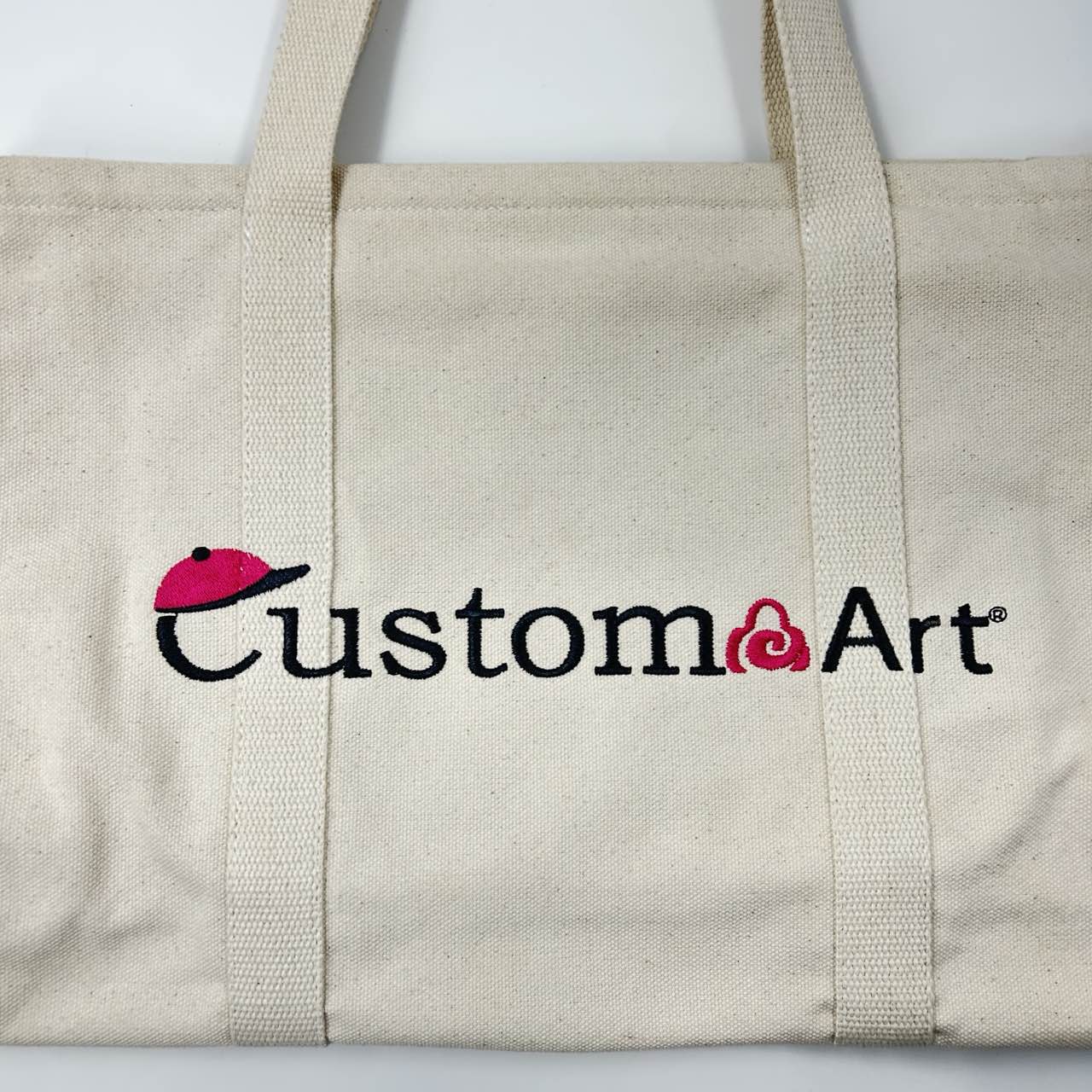
Our Cameo Enterprise Co.,Ltd, was founded in 2008 and has extensive experience in bag manufacturing. In 2014, we focused on researching high-quality digital printing technology. We have continuously improved and refined this technology, overcoming the challenge of direct digital printing on pure cotton fabric. Our pure cotton digital direct printing process is complex, requiring sizing before printing, followed by color fixing and washing. It demands high precision from the digital printing machine to produce high-quality designs. Our canvas bags have the following characteristics:
• Rich and natural colors with high saturation
• Display high-definition details
• Resistant to color fading after washing
See you at the Beijing Gift Fair! A variety of cultural and creative canvas bags and more will be on
Canvas bag
Leave a Reply
Your email address will not be published.Required fields are marked. *